Posted 09 Sep 2026 • Fall Fun
Lakeshore Vermont’s Fall Foliage Guide
The colors of fall are all around you at Lakeshore Vermont. From the trees along our shoreline to the hills surrounding Lake Champlain, use this guide to identify some of the foliage that makes autumn here so spectacular.
HOW TO USE THIS GUIDE
Look closely at the leaf’s overall shape, edges, and number of lobes. Its fall color can provide another clue, although leaves from the same type of tree may display different colors depending on weather, sunlight, and growing conditions. Click the PDF button below to download your Fall Foliage Guide.
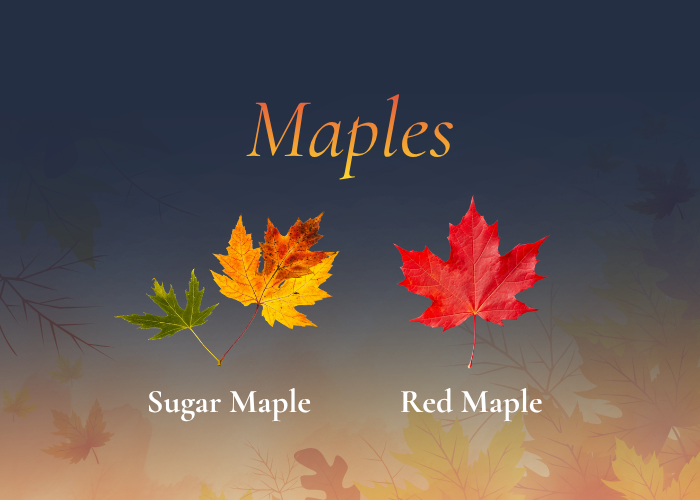
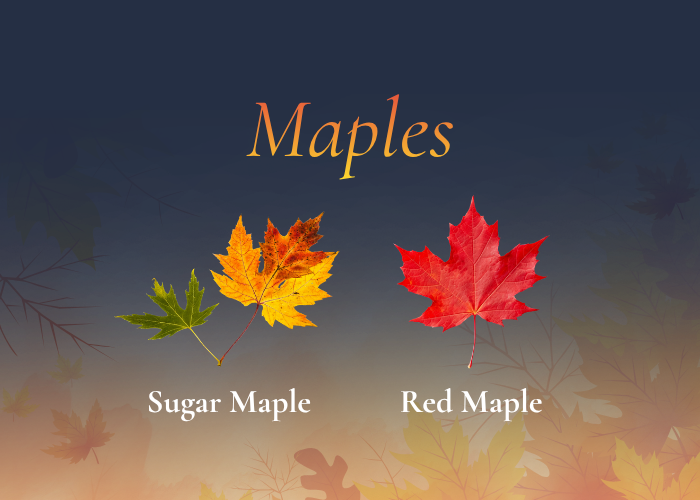
SUGAR MAPLE
How to identify it: Look for a broad leaf with five distinct lobes, smooth edges, and rounded spaces between the lobes. The shape appears on Vermont’s state quarter and is one of the most recognizable symbols of the state.
Fall colors: Brilliant yellow, orange, red or a combination of several colors.
Where to look: Sugar maples are common in hardwood forests and prefer fertile, well-drained soil. Look for them on slopes and throughout Vermont’s lower and middle elevations.
Fall colors: Brilliant yellow, orange, red or a combination of several colors.
Where to look: Sugar maples are common in hardwood forests and prefer fertile, well-drained soil. Look for them on slopes and throughout Vermont’s lower and middle elevations.
RED MAPLE
How to identify it: Red maple leaves usually have three to five pointed lobes with finely serrated edges. The leaf stems are often reddish.
Fall colors: Vivid red, scarlet, orange or yellow.
Where to look: Red maples grow in many different environments, including forests, wetlands, roadsides and areas near lakes and streams.
Fall colors: Vivid red, scarlet, orange or yellow.
Where to look: Red maples grow in many different environments, including forests, wetlands, roadsides and areas near lakes and streams.
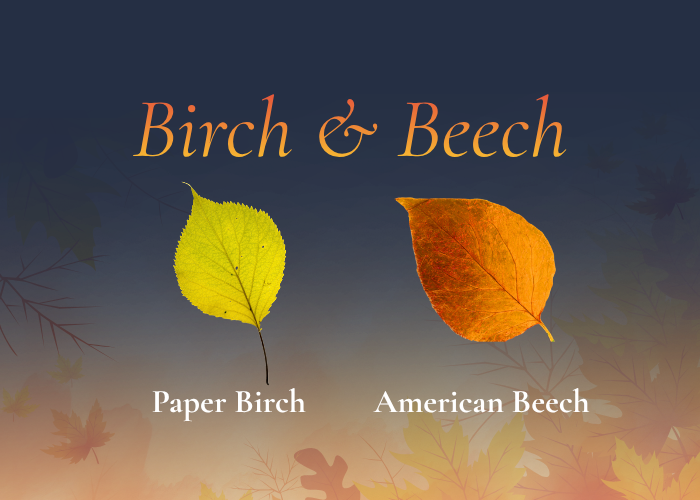
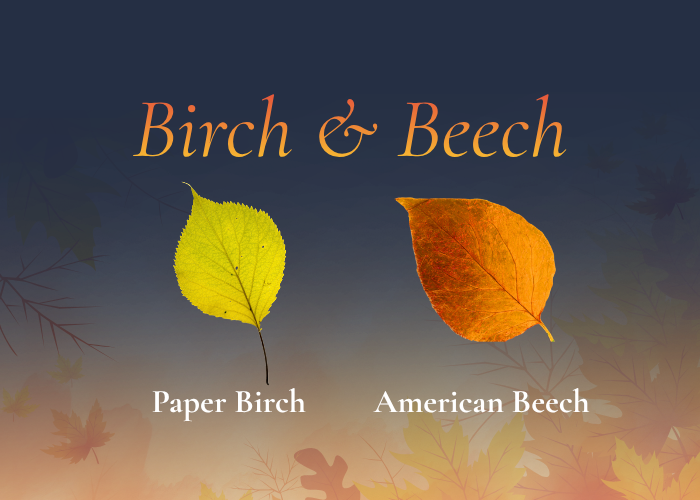
PAPER BIRCH
How to identify it: Look for a small, triangular-to-oval leaf with a pointed tip and finely toothed edges. The tree’s thin, white, peeling bark is another helpful identifying feature.
Fall colors: Bright, clear yellow.
Where to look: Paper birches favor cool conditions and are often found in moist forests, along lakeshores and in open or previously disturbed areas.
Fall colors: Bright, clear yellow.
Where to look: Paper birches favor cool conditions and are often found in moist forests, along lakeshores and in open or previously disturbed areas.
AMERICAN BEECH
How to identify it: American beech leaves are oval with straight, parallel side veins ending in coarse teeth. Their smooth gray bark can help distinguish the tree even after its leaves have fallen.
Fall colors: Golden yellow, copper, or bronze. Dry leaves may remain attached to the tree well into winter.
Where to look: American beech trees are common in mature hardwood forests, particularly on well-drained slopes and upland sites.
Fall colors: Golden yellow, copper, or bronze. Dry leaves may remain attached to the tree well into winter.
Where to look: American beech trees are common in mature hardwood forests, particularly on well-drained slopes and upland sites.
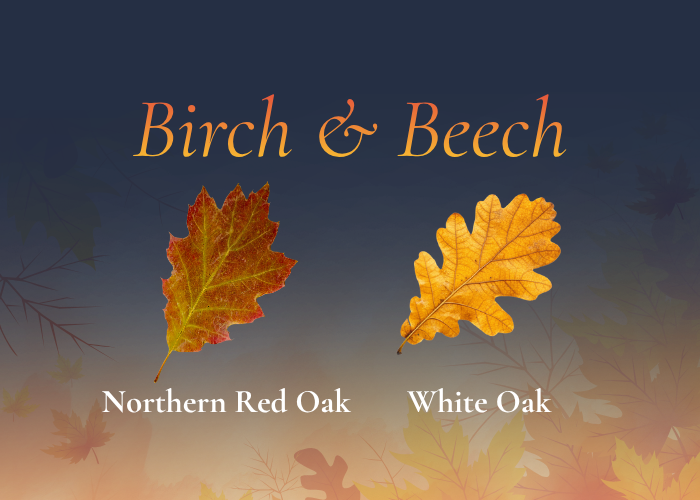
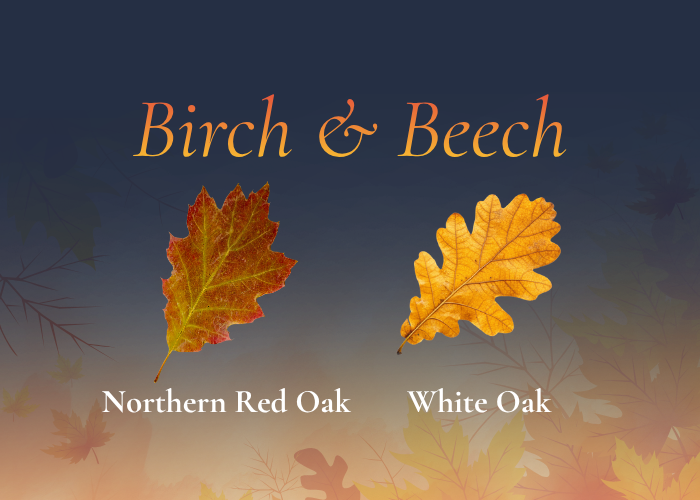
NORTHERN RED OAK
How to identify it: Look for a large leaf with several pointed lobes. Each lobe ends in a small, distinctive bristle-like tip.
Fall colors: Rusty red, deep red or reddish brown.
Where to look: Northern red oaks grow primarily in upland forests, on hillsides and in well-drained soil at lower and middle elevations.
Fall colors: Rusty red, deep red or reddish brown.
Where to look: Northern red oaks grow primarily in upland forests, on hillsides and in well-drained soil at lower and middle elevations.
WHITE OAK
How to identify it: Unlike the pointed lobes of the northern red oak, a white oak leaf has five to nine smoothly rounded lobes without bristle tips.
Fall colors: Reddish purple, wine-red or brown.
Where to look: White oaks favor comparatively dry sites and can be found in mature forests, upland areas and on well-drained slopes.
Fall colors: Reddish purple, wine-red or brown.
Where to look: White oaks favor comparatively dry sites and can be found in mature forests, upland areas and on well-drained slopes.
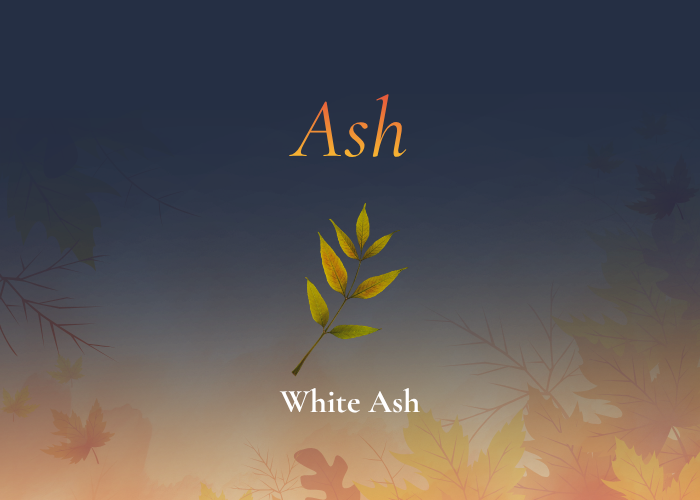
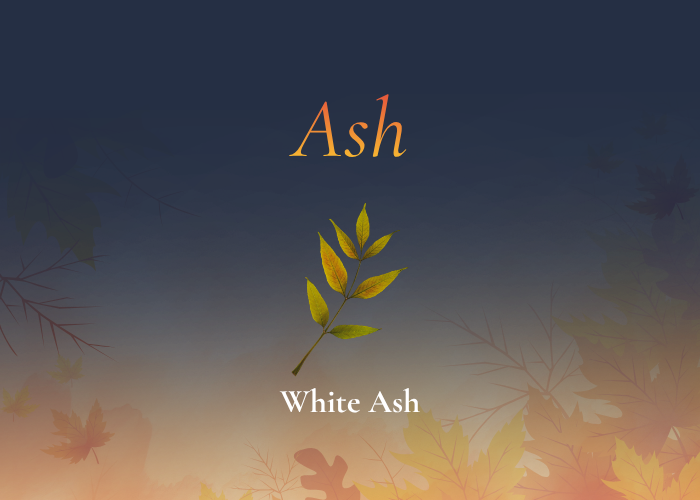
WHITE ASH
How to identify it: White ash has a compound leaf consisting of several individual leaflets arranged opposite one another along a central stem. A single complete leaf usually has five to nine leaflets.
Fall colors: Yellow, golden yellow or purple-brown.
Where to look: White ash trees grow in rich forests, floodplains and moist areas near streams and lakes, generally at lower elevations.
Fall colors: Yellow, golden yellow or purple-brown.
Where to look: White ash trees grow in rich forests, floodplains and moist areas near streams and lakes, generally at lower elevations.
ENJOY THE COLORS OF LAKE CHAMPLAIN
You do not need to travel far to experience Vermont’s celebrated fall foliage. Look for changing leaves around the Lakeshore Vermont property, along the Lake Champlain shoreline and while exploring the surrounding Colchester and Burlington area.
Colors and timing vary from year to year, so take your time, look closely, and enjoy discovering what makes autumn at Lakeshore Vermont so memorable.
Plan Your Fall Getaway PDF